
Understanding the Emotional Labor of the Default Parent Role
The role of the default parent often goes unnoticed, yet it carries a heavy emotional and mental burden. This parent is usually the one who manages most of the day-to-day parenting tasks, from scheduling appointments to remembering school events. The mental load in parenting falls heavily on their shoulders, creating a unique kind of stress that many families overlook.
This post explores the hidden work behind being the default parent, the emotional labor in families, and how this role contributes to parenting burnout and stay at home parent stress. Understanding these challenges can help families create more balanced partnerships and support overwhelmed parents.

What It Means to Be the Default Parent
The default parent is often the person who automatically takes charge of parenting duties without being asked. This role is usually filled by one parent, often the mother, but it can be anyone in the family. They handle the invisible work of motherhood or parenthood, which includes:
Keeping track of appointments and schedules
Managing children's needs and activities
Planning meals and grocery shopping
Coordinating with schools and caregivers
This work is mostly mental and emotional, not always visible to others, but it requires constant attention and energy.
The default parent is not just doing tasks; they are also carrying the emotional weight of worrying about their children’s well-being, anticipating problems, and solving issues before they arise. This ongoing responsibility can lead to feeling overwhelmed and exhausted.
The Mental Load in Parenting and Its Impact
The mental load in parenting refers to the constant planning, organizing, and remembering that comes with raising children. It is a form of emotional labor that often goes unrecognized. Unlike physical tasks, this mental work is invisible but just as demanding.
For example, a default parent might remember that the dentist appointment is next week, pack the right snacks for school, and keep track of which child needs new shoes. These tasks require mental energy and focus, which can be draining over time.
When one parent carries this load alone, it can cause frustration and resentment. The imbalance often leads to parenting burnout, where the default parent feels emotionally and physically depleted.
Emotional Labor in Families and Gender Roles
Emotional labor in families includes managing feelings, smoothing conflicts, and maintaining harmony. The default parent often takes on this role, especially in traditional family setups where gender roles influence who does what.
Studies show that women disproportionately carry the invisible work of motherhood, including emotional labor. This can increase stay at home parent stress and contribute to feelings of being undervalued.
For example, a mother might be the one who notices when a child is upset, comforts them, and then adjusts the family schedule to accommodate their needs. This emotional work is constant and rarely acknowledged.
Signs of Parenting Burnout and Overwhelmed Parents
Recognizing parenting burnout is crucial for the well-being of the default parent and the family. Signs include:
Feeling exhausted even after rest
Losing patience more easily
Feeling isolated or unsupported
Struggling to find joy in parenting tasks
Physical symptoms like headaches or trouble sleeping
These symptoms often appear in parents who carry the majority of the mental and emotional load. Overwhelmed parents may also withdraw from social activities or neglect their own needs.
Practical Ways to Support the Default Parent
Families can take steps to share the load and reduce stress for the default parent. Here are some practical ideas:
Divide tasks clearly: Assign specific responsibilities to each parent to avoid confusion.
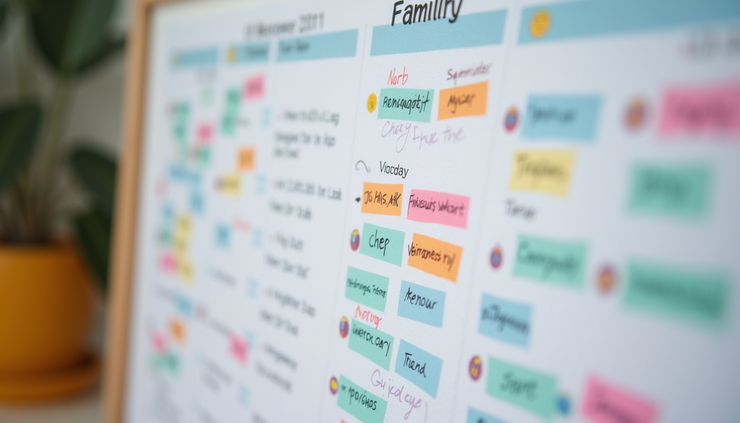
Use shared calendars: Digital tools can help keep everyone informed about schedules and appointments.
Communicate openly: Talk about feelings and challenges regularly to prevent resentment.
Offer emotional support: Recognize the emotional labor and express appreciation.
Encourage breaks: Make sure the default parent has time for self-care and rest.
Sharing the mental load and emotional labor can improve family dynamics and reduce stay at home parent stress.
Why Awareness Matters
Understanding the hidden work of the default parent helps families create more balanced partnerships. When both parents recognize the mental load in parenting and the emotional labor involved, they can work together to prevent burnout.
This awareness also encourages society to value caregiving roles more fairly. Parenting is a team effort, and acknowledging the invisible work is the first step toward sharing it.
Families that support the default parent see benefits like:
Improved communication
Stronger relationships
Better mental health for all members
More effective parenting
Supporting overwhelmed parents is not just about fairness; it’s about creating a healthier environment for children to grow.
Final Thoughts
The role of the default parent carries a heavy emotional and mental burden that often goes unseen. Recognizing the invisible work of motherhood and the emotional labor in families is essential to prevent parenting burnout and reduce stay at home parent stress.
Families can take practical steps to share responsibilities, communicate openly, and support each other. By doing so, they help create a more balanced and joyful parenting experience.



Comments